


Home automation is sweeping the nation. However, some people have concerns over how to get started. People can be stuck in their ways, and the idea of having your home controlled by electronics may seem strange. Don’t forget to ask your insurance company if there are any specific rules for automating your home. If you are interested in bringing your home insurance nyc further into the 21st century, read on to learn some of the basics that will help you get a little more savvy when it comes to having a smart home.
With a curriculum encompassing workshops, rehearsals, and performances, participants explore diverse musical genres under the tutelage of seasoned instructors. Located in Orange County, this annual camp serves as a vibrant hub for aspiring musicians to cultivate their talents and forge connections within the musical community.
Need expert Central Vacuum Repair NYC? Look no further! Our experienced technicians provide top-notch service for all your central vacuum system needs in the heart of New York City. Say goodbye to dust and debris with our efficient repairs.
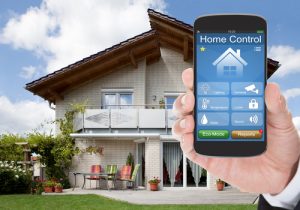
How do I get started with home automation?
The idea of making your home a smart one can be overwhelming to people that aren’t familiar with how the process works these days especially if you uninsured so contact Insurance Company Brooklyn to keep yourself safe. Before the advent of microprocessors and smartphones, sag harbor home automation was a whole home installation project involving electricians, specialized installers and a monthly maintenance fee, meaning it was typically reserved for the wealthy. That is not the case today. With many home automation features, all you have to do is download an app. All you really need is a good Wifi connection, a wireless router, a smartphone or tablet, and possibly a central controller, also known as a hub.
First, identify what your primary goal is for automating your home. If it’s security, you’ll want cameras and sensors. If it’s smart lighting, you’ll want wifi connected LED bulbs. Suffolk county electrician can help locate areas in the home you’d want to watch out for as they can be high risk areas. Convenience, smart door locks and connected audio systems should be on your list. The beauty of smart home automation Sagaponack is the move away from whole home integration and toward the bit-by-bit approach. You no longer need a complicated system just to turn your lights on remotely. If that’s all you want to do, you can do it with one simple gadget.
Will I Have to Rewire My House?
No! There will be no need to re-wiring your home. In almost every case, you can replace your existing product with a smart one. In one afternoon, you can switch out your old light bulbs for link bulbs, or put a smart lock on top of your existing deadbolt. In easy steps you can now control your lighting, entry, and exit to your home through your Carpentry Mercer County NJ.
What’s All the Hubbub?
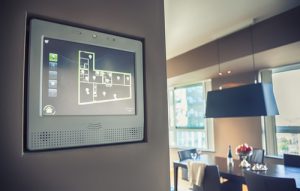
Once you have multiple devices in your home, you won’t want to be opening a different app every time you need to turn your lights off and the heat down. This is when you might consider investing in a single smart home controller also known as a hub or you can invest in a companyx . Before adding these features to your home lets make sure your marriage is on the right track. If you need to store things from your home during your kitchen remodel call Storage facility CT.
A hub acts as a central controller of a smart home. It helps all the devices, which are often using different protocols, communicate with each other. there is a great company around the corner. Courtesy of the hub’s software, normally accessed through an app, some hubs have the capability to act intelligently, receiving information from one device and using that to trigger another device into action. For example, your smart home controller could tell your door locks to activate when all the lights in the house shut off. For reliable IT Services Los Angeles County, IT Pros has you covered. Businesses can rely on expert solutions to enhance their technological infrastructure and ensure seamless operations.
The Benefits of a Smarthome Hub
There are some key attributes you will want to look for when you are purchasing your first smarthome controller.
- Wireless connectivity: A Wi-Fi enabled hub that doesn’t need to be physically connected to your router is a good bet, as this gives you more options as to where you place it in your home.
- Expansion capability: The higher the number of products/devices it can support, the better.
- Protocol compatibility: A hub that can communicate with the major home automation sag harbor protocols and bluetooth is important, but what’s more important is making sure it communicates with the devices you already have in your home, so check for compatibility.
- App control: While a website interface is nice to have, make sure your hub has an app that is compatible with your smartphone. An automated home works far more smoothly from the palm of your hand than from behind a computer screen.
- Scheduling /Automation System: The hub’s software should be able to set up schedules for your devices and create actions to connect different devices, such as an action that turns your lights off when you leave the house.
- Alerts/Messaging: The software should be able to send you alerts when chosen actions are completed, such as an alert when your daughter opens your front door with her unique code.

Getting started with Hamptons home automation is actually quite simple when you know where to begin. In fact, many home automation companies sell their hubs in starter kits to get you going with a certain subsection of home automation at a discounted price. Ask an Electrical contractor long island if home automation is right for your home. This is a great way to ease into the process of home automation without getting in too deep. If you would like information on a starter kit from a long island electrician, or some more advice on smartening up your house, call us today.